
 Image 1 of 1
Zingiber zerumbet, Pine cone ginger, Shampoo ginger
Zingiber zerumbet (commonly called shampoo ginger, awapuhi or pinecone ginger) — a tropical perennial in the ginger family — is a showy, useful, and low-maintenance plant prized for ornament, medicine, and fragrance.
Quick ID
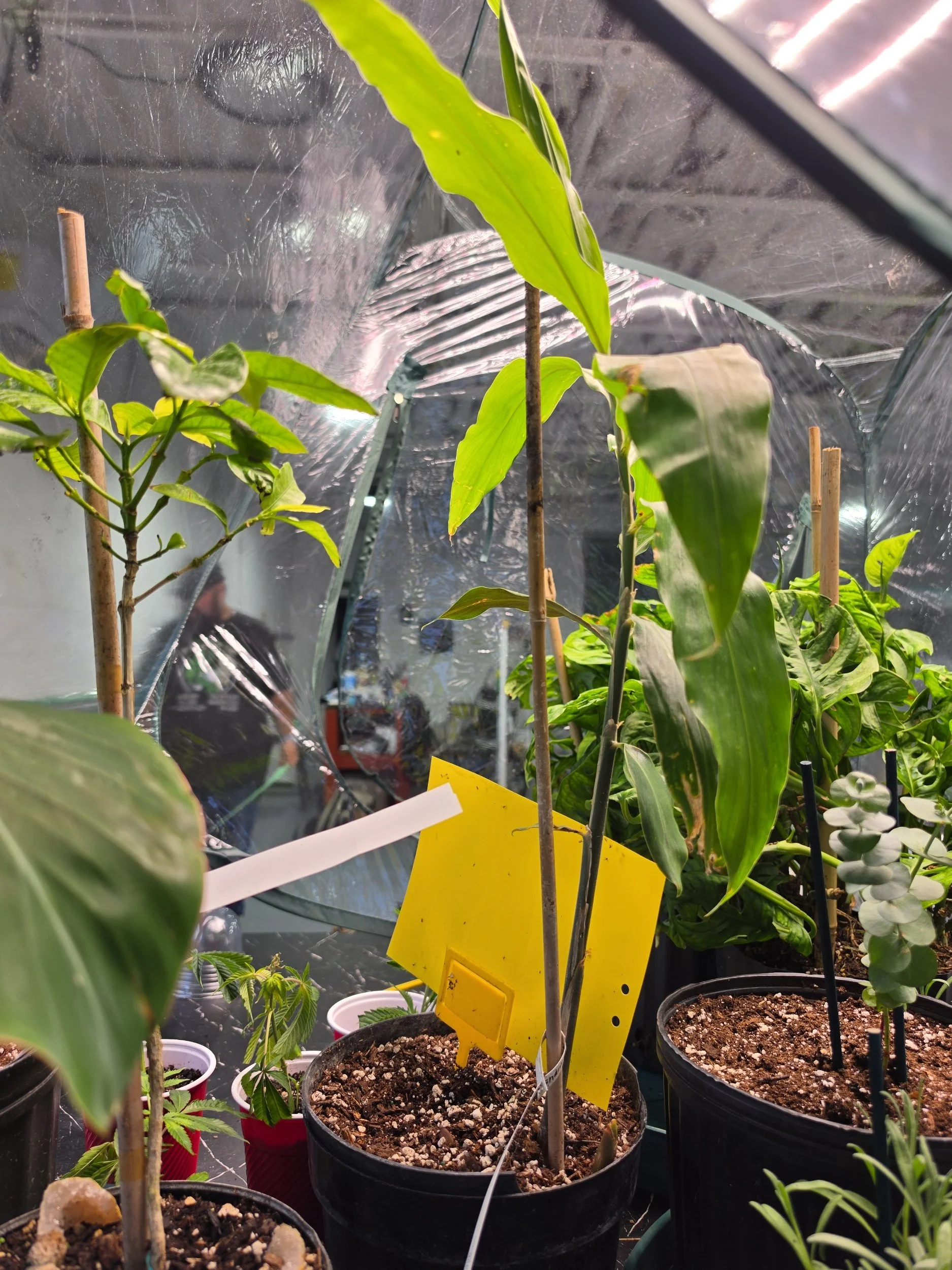
Habit: Clumping perennial, 2–6 feet tall depending on climate and cultivar.
Leaves: Long, lance-shaped, glossy green leaves on upright pseudostems.
Flowers: Cone-shaped, pinecone-like inflorescences emerging near ground level or on short stalks; color ranges from green to deep red as they mature.
Rhizome: Thick, aromatic, ginger-like underground stems.
Notable features
Pinecone bracts: The mature bracts fill with a fragrant, slightly soapy liquid that local cultures use as a natural hair and body cleanser — hence the common name “shampoo ginger.”
Fragrance: Fresh, citrusy-ginger scent when bracts are crushed or when the liquid is squeezed out.
Ornamental value: Unique cone-shaped bracts and lush tropical foliage make it a dramatic landscape accent or container specimen.
Growing conditions
Hardiness: Best in USDA zones 8–11 (some protection can extend survival into zone 7). Can be grown as an annual or wintered indoors in cooler zones.
Light: Prefers filtered sun to part shade; tolerates full sun with sufficient moisture and protection from harsh afternoon rays.
Soil: Rich, well-draining, organically amended loam. Prefers slightly acidic to neutral pH.
Water: Regular moisture — evenly moist but not waterlogged. Mulch to conserve moisture and keep roots cool.
Temperature & humidity: Thrives in warm, humid conditions. Protect rhizomes from frost.
Fertility: Responds well to balanced, slow-release fertilizer in spring and midsummer or with regular applications of compost/organic feed.
Propagation
Division: Most reliable method — divide clumps in spring or after flowering, ensuring each division has at least one growing shoot and part of the rhizome.
Rhizome cuttings: Plant sections of rhizome with buds; keep warm and moist until shoots form.
Seed: Rarely used commercially; germination may be slow and unpredictable.
Pests & diseases
Generally pest-resistant. Watch for:
Slugs and snails feeding on foliage.
Root rot in poorly drained soils.
Occasional fungal leaf spots in high humidity with poor air circulation. Good cultural practices (proper drainage, spacing, and clean compost) minimize problems.
Uses
Cosmetic: Traditional use of bract liquid as a natural shampoo, conditioner, and skin cleanser.
Medicinal & ethnobotanical: In various Pacific cultures, used for digestive support, topical treatments, and ceremonial purposes; check reliable sources before ingesting or medicating.
Culinary: Not commonly used as culinary ginger, though rhizomes are aromatic; culinary use is limited and culture-specific.
Landscape: Excellent for tropical beds, borders, shaded understory planting, and container accents. Attractive cut flower and unique dried material for arrangements.
Care tips
Mulch heavily to protect rhizomes and retain moisture.
Divide every 2–4 years to refresh vigor and prevent overcrowding.
In cooler climates, lift and store rhizomes in a frost-free place or grow in containers that can be moved indoors.
Use the bract liquid fresh — squeeze into palms and lather — or harvest bracts for floral use.
Varieties & similar species
Several cultivars vary in bract color and plant size. Zingiber zerumbet is often confused with other ornamental gingers (like Zingiber officinale or Curcuma species); key difference is the distinctive pinecone bracts.
Safety & considerations
External use is generally safe for most people, but test on a small skin area first to check for sensitivity.
If considering internal medicinal use, consult a qualified healthcare provider or ethnobotanical reference.
Planting checklist
Choose a sheltered, partly shaded site with rich, well-draining soil.
Amend planting hole with compost.
Space divisions 2–3 feet apart.
Water in thoroughly and mulch.
Zingiber zerumbet is a tropical showstopper with practical uses — a playful, fragrant addition to warm-climate gardens or a pampered container plant for cooler regions.
Zingiber zerumbet (commonly called shampoo ginger, awapuhi or pinecone ginger) — a tropical perennial in the ginger family — is a showy, useful, and low-maintenance plant prized for ornament, medicine, and fragrance.
Quick ID
Habit: Clumping perennial, 2–6 feet tall depending on climate and cultivar.
Leaves: Long, lance-shaped, glossy green leaves on upright pseudostems.
Flowers: Cone-shaped, pinecone-like inflorescences emerging near ground level or on short stalks; color ranges from green to deep red as they mature.
Rhizome: Thick, aromatic, ginger-like underground stems.
Notable features
Pinecone bracts: The mature bracts fill with a fragrant, slightly soapy liquid that local cultures use as a natural hair and body cleanser — hence the common name “shampoo ginger.”
Fragrance: Fresh, citrusy-ginger scent when bracts are crushed or when the liquid is squeezed out.
Ornamental value: Unique cone-shaped bracts and lush tropical foliage make it a dramatic landscape accent or container specimen.
Growing conditions
Hardiness: Best in USDA zones 8–11 (some protection can extend survival into zone 7). Can be grown as an annual or wintered indoors in cooler zones.
Light: Prefers filtered sun to part shade; tolerates full sun with sufficient moisture and protection from harsh afternoon rays.
Soil: Rich, well-draining, organically amended loam. Prefers slightly acidic to neutral pH.
Water: Regular moisture — evenly moist but not waterlogged. Mulch to conserve moisture and keep roots cool.
Temperature & humidity: Thrives in warm, humid conditions. Protect rhizomes from frost.
Fertility: Responds well to balanced, slow-release fertilizer in spring and midsummer or with regular applications of compost/organic feed.
Propagation
Division: Most reliable method — divide clumps in spring or after flowering, ensuring each division has at least one growing shoot and part of the rhizome.
Rhizome cuttings: Plant sections of rhizome with buds; keep warm and moist until shoots form.
Seed: Rarely used commercially; germination may be slow and unpredictable.
Pests & diseases
Generally pest-resistant. Watch for:
Slugs and snails feeding on foliage.
Root rot in poorly drained soils.
Occasional fungal leaf spots in high humidity with poor air circulation. Good cultural practices (proper drainage, spacing, and clean compost) minimize problems.
Uses
Cosmetic: Traditional use of bract liquid as a natural shampoo, conditioner, and skin cleanser.
Medicinal & ethnobotanical: In various Pacific cultures, used for digestive support, topical treatments, and ceremonial purposes; check reliable sources before ingesting or medicating.
Culinary: Not commonly used as culinary ginger, though rhizomes are aromatic; culinary use is limited and culture-specific.
Landscape: Excellent for tropical beds, borders, shaded understory planting, and container accents. Attractive cut flower and unique dried material for arrangements.
Care tips
Mulch heavily to protect rhizomes and retain moisture.
Divide every 2–4 years to refresh vigor and prevent overcrowding.
In cooler climates, lift and store rhizomes in a frost-free place or grow in containers that can be moved indoors.
Use the bract liquid fresh — squeeze into palms and lather — or harvest bracts for floral use.
Varieties & similar species
Several cultivars vary in bract color and plant size. Zingiber zerumbet is often confused with other ornamental gingers (like Zingiber officinale or Curcuma species); key difference is the distinctive pinecone bracts.
Safety & considerations
External use is generally safe for most people, but test on a small skin area first to check for sensitivity.
If considering internal medicinal use, consult a qualified healthcare provider or ethnobotanical reference.
Planting checklist
Choose a sheltered, partly shaded site with rich, well-draining soil.
Amend planting hole with compost.
Space divisions 2–3 feet apart.
Water in thoroughly and mulch.
Zingiber zerumbet is a tropical showstopper with practical uses — a playful, fragrant addition to warm-climate gardens or a pampered container plant for cooler regions.