
 Image 1 of 1
Lavender
Lavender
Scent
Soft, floral, herbaceous with a sweet, camphorous edge.
Calming and slightly powdery — the classic “spa” aroma.
Appearance
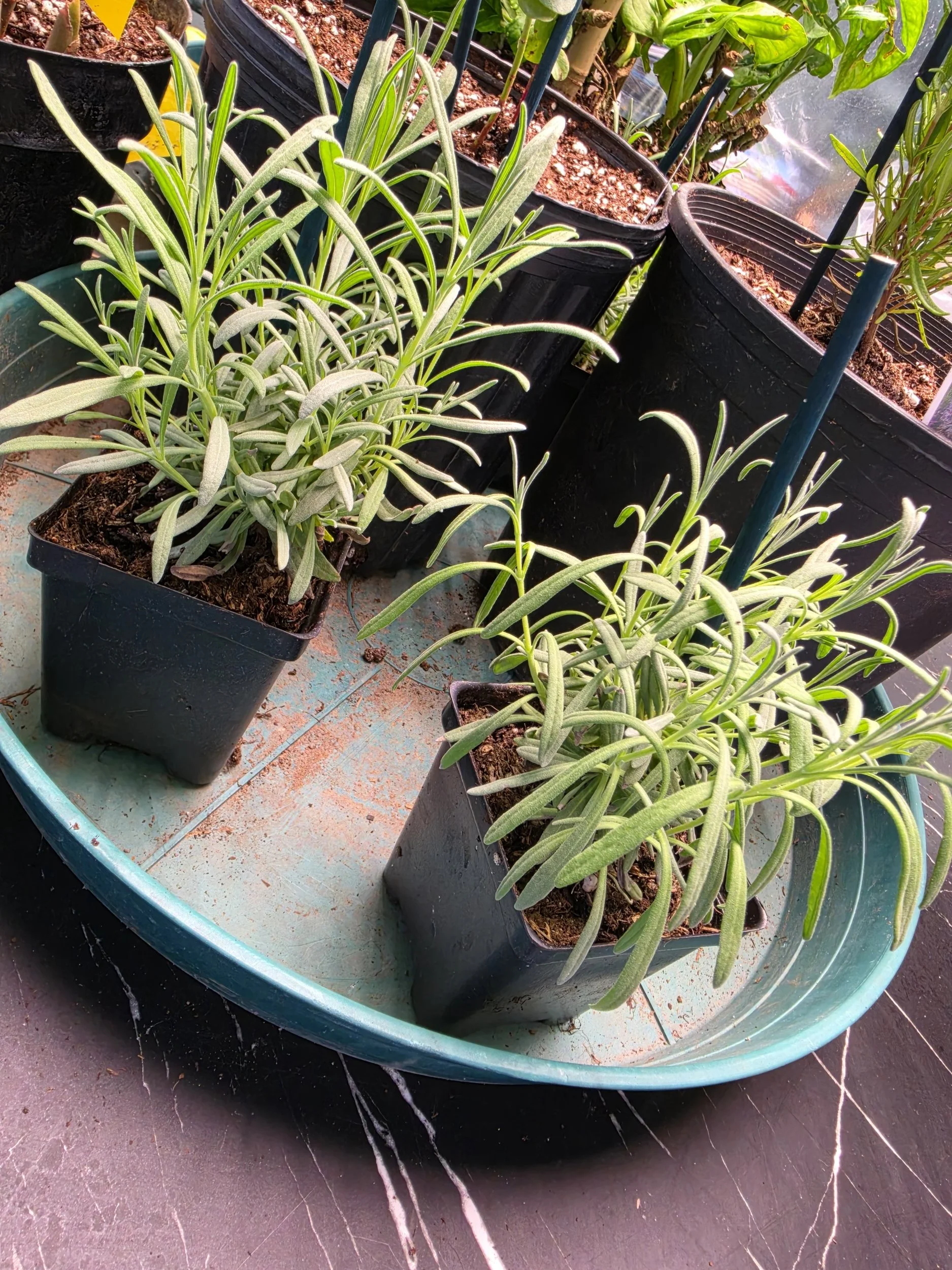
Silvery-gray-green foliage.
Flower spikes in purple, lavender, or pink hues; some varieties are deep violet or nearly white.
Compact mounds or upright spikes depending on species.
Common Species
Lavandula angustifolia (English lavender): cold-hardy, sweet aroma, great for culinary and sachets.
Lavandula x intermedia (lavandin): larger plants and spikes, stronger oil yield and fragrance.
Lavandula stoechas (Spanish/Topped lavender): distinctive “rabbit ear” bracts; more Mediterranean heat-tolerant.
Lavandula dentata (French lavender): toothed leaves, ornamental form.
Growing Basics
Light: Full sun (6–8+ hours daily).
Soil: Well-draining, sandy or gritty loam; tolerates poor soils better than rich, wet ones.
Water: Drought-tolerant once established; water sparingly and avoid overwatering.
pH: Neutral to slightly alkaline preferred.
Hardiness: Varies by species—English lavender tolerates cooler zones, lavandin prefers milder climates.
Planting & Care
Site: Choose a sunny, airy spot with good drainage. Raised beds or mounds help in heavier soils.
Spacing: 12–24 inches apart depending on variety to ensure airflow.
Pruning: Lightly prune after flowering to maintain shape; avoid cutting into old wood.
Fertilizer: Minimal feeding; excessive fertilizer promotes floppy growth and fewer flowers.
Winter: Mulch in colder climates for protection but keep mulch off crowns to prevent rot.
Propagation
Seed: Slow and variable germination; patience required.
Cuttings: Softwood or semi-hardwood cuttings root reliably and preserve varietal traits.
Division: Less common; lavenders dislike root disturbance.
Pests & Problems
Root rot from poor drainage is the top concern.
Occasionally affected by fungal leaf spots or powdery mildew in humid conditions.
Generally deer- and rabbit-resistant due to aromatic oils.
Harvest & Uses
Harvest: Cut flower stems when most buds are open but before full bloom for best fragrance and oil. Morning is prime time after dew dries.
Drying: Hang bunches upside down in a dark, airy place to preserve color and scent.
Culinary: Use sparingly — lavender has a strong floral flavor. Common in baked goods, teas, and syrups.
Aromatherapy & Crafts: Essential oil, sachets, potpourri, wreaths, and bath products.
Pollinators: Highly attractive to bees and beneficial insects.
Companion Planting
Pairs well with rosemary, sage, thyme, and other Mediterranean herbs.
Contrasts nicely with roses and ornamental grasses in mixed borders.
Variety Tips
Choose English lavender for cold climates and superior edible quality.
Choose lavandin for larger blooms, stronger fragrance, and cut-flower production.
Choose Spanish or French types for hot, dry climates and unique ornamental looks.
Fun Facts
Lavender has been used for centuries in perfumery, medicine, and as a calming agent.
The name comes from Latin lavare, meaning “to wash,” reflecting its historic use in baths and laundering.
Planting advice from Big D’s Trees and Grow Supply: pick a sunny, well-drained corner, choose the variety that matches your climate and use, give it room and a light hand with water and fertilizer, and you’ll be rewarded with perfume-filled summers and happy pollinators.
Lavender
Scent
Soft, floral, herbaceous with a sweet, camphorous edge.
Calming and slightly powdery — the classic “spa” aroma.
Appearance
Silvery-gray-green foliage.
Flower spikes in purple, lavender, or pink hues; some varieties are deep violet or nearly white.
Compact mounds or upright spikes depending on species.
Common Species
Lavandula angustifolia (English lavender): cold-hardy, sweet aroma, great for culinary and sachets.
Lavandula x intermedia (lavandin): larger plants and spikes, stronger oil yield and fragrance.
Lavandula stoechas (Spanish/Topped lavender): distinctive “rabbit ear” bracts; more Mediterranean heat-tolerant.
Lavandula dentata (French lavender): toothed leaves, ornamental form.
Growing Basics
Light: Full sun (6–8+ hours daily).
Soil: Well-draining, sandy or gritty loam; tolerates poor soils better than rich, wet ones.
Water: Drought-tolerant once established; water sparingly and avoid overwatering.
pH: Neutral to slightly alkaline preferred.
Hardiness: Varies by species—English lavender tolerates cooler zones, lavandin prefers milder climates.
Planting & Care
Site: Choose a sunny, airy spot with good drainage. Raised beds or mounds help in heavier soils.
Spacing: 12–24 inches apart depending on variety to ensure airflow.
Pruning: Lightly prune after flowering to maintain shape; avoid cutting into old wood.
Fertilizer: Minimal feeding; excessive fertilizer promotes floppy growth and fewer flowers.
Winter: Mulch in colder climates for protection but keep mulch off crowns to prevent rot.
Propagation
Seed: Slow and variable germination; patience required.
Cuttings: Softwood or semi-hardwood cuttings root reliably and preserve varietal traits.
Division: Less common; lavenders dislike root disturbance.
Pests & Problems
Root rot from poor drainage is the top concern.
Occasionally affected by fungal leaf spots or powdery mildew in humid conditions.
Generally deer- and rabbit-resistant due to aromatic oils.
Harvest & Uses
Harvest: Cut flower stems when most buds are open but before full bloom for best fragrance and oil. Morning is prime time after dew dries.
Drying: Hang bunches upside down in a dark, airy place to preserve color and scent.
Culinary: Use sparingly — lavender has a strong floral flavor. Common in baked goods, teas, and syrups.
Aromatherapy & Crafts: Essential oil, sachets, potpourri, wreaths, and bath products.
Pollinators: Highly attractive to bees and beneficial insects.
Companion Planting
Pairs well with rosemary, sage, thyme, and other Mediterranean herbs.
Contrasts nicely with roses and ornamental grasses in mixed borders.
Variety Tips
Choose English lavender for cold climates and superior edible quality.
Choose lavandin for larger blooms, stronger fragrance, and cut-flower production.
Choose Spanish or French types for hot, dry climates and unique ornamental looks.
Fun Facts
Lavender has been used for centuries in perfumery, medicine, and as a calming agent.
The name comes from Latin lavare, meaning “to wash,” reflecting its historic use in baths and laundering.
Planting advice from Big D’s Trees and Grow Supply: pick a sunny, well-drained corner, choose the variety that matches your climate and use, give it room and a light hand with water and fertilizer, and you’ll be rewarded with perfume-filled summers and happy pollinators.