
 Image 1 of 1
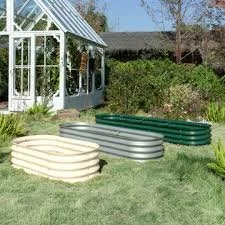
Galvanized Raised Beds, Small
Galvanized raised beds are a durable, low-maintenance, and stylish option for gardeners who want clean lines, long life, and protection against rot and pests. Made from steel sheets coated with zinc, these beds resist corrosion and hold up well in harsh weather—ideal for vegetable gardens, flower borders, and urban containers.
Why choose galvanized raised beds
Longevity: Galvanized steel won’t rot like wood and can last decades with minimal upkeep.
Strength: Rigid panels and sturdy corner brackets keep soil contained and resist bulging.
Low maintenance: No staining, sealing, or chemical treatments required.
Pest resistance: Metal walls deter burrowing pests and are less inviting to slugs and snails.
Sleek aesthetic: Modern, industrial look that pairs with many garden styles.
Sizes and heights
Short (6–8 inches): Good for shallow-rooted herbs, lettuces, and succulents.
Standard (12–18 inches): Best for most vegetables and flowers; allows adequate soil depth for roots.
Deep (24 inches+): For root vegetables, shrubs, or when adding a lot of compost and amended soil.
Custom lengths: Panels can be cut or combined to create beds that fit patios, slopes, or narrow yards.
Materials and construction
Gauge: Lower gauge numbers mean thicker steel. For garden beds, 18–24 gauge is common; choose thicker gauge for larger or taller beds.
Coating: Hot-dip galvanization provides a thicker, longer-lasting zinc layer than electro-galvanized options.
Fasteners and corners: Stainless steel or galvanized bolts, rivets, and corner brackets reduce rust points and ensure stability.
Optional liners: Landscape fabric, cardboard, or a breathable geotextile can be used to protect roots from direct contact with metal and to reduce heat transfer.
Soil and planting tips
Fill mix: A balanced blend of topsoil, compost, and aeration materials (e.g., perlite or coarse sand) gives good drainage and nutrient retention.
Soil depth: Most vegetables need 12–18 inches of good soil; carrots and parsnips may require deeper.
Drainage: Ensure beds sit on well-draining ground or add drilled drainage holes if placed on impermeable surfaces.
Thermal considerations: Metal can warm faster in spring—use frost cloth or shade as needed during heat waves to protect seedlings.
Care and maintenance
Cleaning: Rinse off soil and plant debris annually. Mild soap and water handle most grime.
Rust monitoring: Hot-dip galvanized beds resist rust, but check seams and fasteners; touch up with cold galvanizing compound if small spots appear.
Reuse and recyclability: At end of life, steel is recyclable—an eco-friendly advantage over treated lumber.
Design ideas
Tiered beds: Stack shorter beds for stepped planting or terracing on slopes.
Mixed materials: Pair galvanized walls with wooden tops or cedar trim for a warmer look.
Mobile options: Add casters to smaller beds to move sun-loving plants with the seasons.
Integrated features: Incorporate trellises, irrigation lines, or cold frames for year-round productivity.
Buying tips
Measure your space and choose modular sizes that fit and allow comfortable access (reach 2–3 feet into a bed).
Check panel gauge and galvanizing method—hot-dip is worth the extra durability.
Look for pre-drilled holes and included hardware; compatibility with corner braces simplifies assembly.
Factor in shipping weight—steel beds can be heavy; local pickup or delivery may be more economical.
Galvanized raised beds deliver longevity, insect resistance, and a modern aesthetic that works for hobby gardeners and serious growers alike. With proper soil, drainage, and a few simple maintenance checks, they make an excellent backbone for productive, low-fuss gardening.
Galvanized raised beds are a durable, low-maintenance, and stylish option for gardeners who want clean lines, long life, and protection against rot and pests. Made from steel sheets coated with zinc, these beds resist corrosion and hold up well in harsh weather—ideal for vegetable gardens, flower borders, and urban containers.
Why choose galvanized raised beds
Longevity: Galvanized steel won’t rot like wood and can last decades with minimal upkeep.
Strength: Rigid panels and sturdy corner brackets keep soil contained and resist bulging.
Low maintenance: No staining, sealing, or chemical treatments required.
Pest resistance: Metal walls deter burrowing pests and are less inviting to slugs and snails.
Sleek aesthetic: Modern, industrial look that pairs with many garden styles.
Sizes and heights
Short (6–8 inches): Good for shallow-rooted herbs, lettuces, and succulents.
Standard (12–18 inches): Best for most vegetables and flowers; allows adequate soil depth for roots.
Deep (24 inches+): For root vegetables, shrubs, or when adding a lot of compost and amended soil.
Custom lengths: Panels can be cut or combined to create beds that fit patios, slopes, or narrow yards.
Materials and construction
Gauge: Lower gauge numbers mean thicker steel. For garden beds, 18–24 gauge is common; choose thicker gauge for larger or taller beds.
Coating: Hot-dip galvanization provides a thicker, longer-lasting zinc layer than electro-galvanized options.
Fasteners and corners: Stainless steel or galvanized bolts, rivets, and corner brackets reduce rust points and ensure stability.
Optional liners: Landscape fabric, cardboard, or a breathable geotextile can be used to protect roots from direct contact with metal and to reduce heat transfer.
Soil and planting tips
Fill mix: A balanced blend of topsoil, compost, and aeration materials (e.g., perlite or coarse sand) gives good drainage and nutrient retention.
Soil depth: Most vegetables need 12–18 inches of good soil; carrots and parsnips may require deeper.
Drainage: Ensure beds sit on well-draining ground or add drilled drainage holes if placed on impermeable surfaces.
Thermal considerations: Metal can warm faster in spring—use frost cloth or shade as needed during heat waves to protect seedlings.
Care and maintenance
Cleaning: Rinse off soil and plant debris annually. Mild soap and water handle most grime.
Rust monitoring: Hot-dip galvanized beds resist rust, but check seams and fasteners; touch up with cold galvanizing compound if small spots appear.
Reuse and recyclability: At end of life, steel is recyclable—an eco-friendly advantage over treated lumber.
Design ideas
Tiered beds: Stack shorter beds for stepped planting or terracing on slopes.
Mixed materials: Pair galvanized walls with wooden tops or cedar trim for a warmer look.
Mobile options: Add casters to smaller beds to move sun-loving plants with the seasons.
Integrated features: Incorporate trellises, irrigation lines, or cold frames for year-round productivity.
Buying tips
Measure your space and choose modular sizes that fit and allow comfortable access (reach 2–3 feet into a bed).
Check panel gauge and galvanizing method—hot-dip is worth the extra durability.
Look for pre-drilled holes and included hardware; compatibility with corner braces simplifies assembly.
Factor in shipping weight—steel beds can be heavy; local pickup or delivery may be more economical.
Galvanized raised beds deliver longevity, insect resistance, and a modern aesthetic that works for hobby gardeners and serious growers alike. With proper soil, drainage, and a few simple maintenance checks, they make an excellent backbone for productive, low-fuss gardening.