
 Image 1 of 1
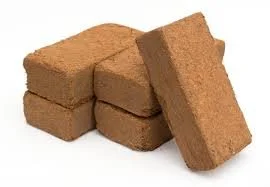
Coco Coir bricks, per brick
Coco Coir Bricks
What they are
Compressed blocks of coconut coir (coconut husk fibers and pith).
Lightweight, dust-free when pre-washed and buffered; expands when hydrated.
Available in various sizes (250 g to 5 kg+ bricks and larger blocks).
Benefits
Excellent water retention with good aeration — holds moisture while allowing oxygen to roots.
pH near neutral to slightly acidic (usually 5.5–6.8) and relatively stable after buffering.
Sustainable alternative to peat moss: renewable and biodegradable.
Sterile and free of weeds, pests, and pathogens when properly processed.
Good for seed starting, potting mixes, soil amendment, hydroponics, and container gardening.
Types / Grades
Coir pith (coco peat): fine particles with very high water-holding capacity.
Coir fiber: longer strands for improved drainage and structure; used in mixes or liners.
Blend bricks: combinations of coir pith and fiber to balance water retention and aeration.
How to use
Hydrate: Place brick in a bucket or tub. Add warm water slowly — typical expansion ratios are 1:3 to 1:8 (brick:water) depending on density and desired consistency. Allow 15–60 minutes; break apart and knead to fully rehydrate.
Buffering: If using for sensitive plants or long-term use, rinse or pre-buffer with calcium and magnesium solution or a commercial coir buffer to remove excess salts from processing.
Mix ratios:
Seed starting: mostly fine coco peat or 100% buffered coir.
Potting mix: 40–60% coir + compost + perlite/vermiculite for drainage.
Soil amendment: 20–40% coir mixed into heavy soils to improve structure.
Hydroponics: 100% buffered coir, rinsed and prepared per system needs.
Storage: Keep dry and in a sealed container or bag to prevent mold and rehydration.
Tips & Considerations
Check EC (electrical conductivity) for salt content before use; acceptable EC typically under 0.8 mS/cm for most uses after buffering/rinsing.
Add calcium and magnesium if using coir exclusively to avoid cation imbalance in long-term grows.
Coir decomposes slowly — it’s more durable than peat but will break down over multiple seasons; refresh mixes as needed.
Avoid using unbuffered coir for salt-sensitive seedlings and plants.
For improved drainage, blend coir with coarse fiber or perlite.
Common Uses
Seed starting and cuttings
Indoor container plants and hanging baskets
Outdoor container gardening and raised beds
Hydroponic and soilless systems
Soil conditioning for clay and compacted soils
Sizing guide (approximate water expansion)
250 g brick → ~1–2 liters hydrated
650 g brick → ~3–5 liters hydrated
5 kg block → ~25–40 liters hydrated Actual yield varies by brick density.
Safety & Disposal
Non-toxic and biodegradable; dispose in compost or garden beds.
Wear a dust mask when handling dry bricks if dusty; wet bricks are low dust.
Store out of direct sunlight and protected from rodents and moisture.
Quick buying checklist
Buffered vs. unbuffered (choose buffered for long-term/hydroponic use)
EC/salt level listed
Coir/fiber ratio if you need more drainage
Brick weight and expected hydrated volume
Organic certification if required
Questions we can help with
Which brick size fits your container or bed?
How to buffer and test EC at home
Custom potting mix recipes using coco coir
Big D’s Trees and Grow Supply offers a selection of coco coir bricks and can help you choose the right type and size for your gardening project.
Coco Coir Bricks
What they are
Compressed blocks of coconut coir (coconut husk fibers and pith).
Lightweight, dust-free when pre-washed and buffered; expands when hydrated.
Available in various sizes (250 g to 5 kg+ bricks and larger blocks).
Benefits
Excellent water retention with good aeration — holds moisture while allowing oxygen to roots.
pH near neutral to slightly acidic (usually 5.5–6.8) and relatively stable after buffering.
Sustainable alternative to peat moss: renewable and biodegradable.
Sterile and free of weeds, pests, and pathogens when properly processed.
Good for seed starting, potting mixes, soil amendment, hydroponics, and container gardening.
Types / Grades
Coir pith (coco peat): fine particles with very high water-holding capacity.
Coir fiber: longer strands for improved drainage and structure; used in mixes or liners.
Blend bricks: combinations of coir pith and fiber to balance water retention and aeration.
How to use
Hydrate: Place brick in a bucket or tub. Add warm water slowly — typical expansion ratios are 1:3 to 1:8 (brick:water) depending on density and desired consistency. Allow 15–60 minutes; break apart and knead to fully rehydrate.
Buffering: If using for sensitive plants or long-term use, rinse or pre-buffer with calcium and magnesium solution or a commercial coir buffer to remove excess salts from processing.
Mix ratios:
Seed starting: mostly fine coco peat or 100% buffered coir.
Potting mix: 40–60% coir + compost + perlite/vermiculite for drainage.
Soil amendment: 20–40% coir mixed into heavy soils to improve structure.
Hydroponics: 100% buffered coir, rinsed and prepared per system needs.
Storage: Keep dry and in a sealed container or bag to prevent mold and rehydration.
Tips & Considerations
Check EC (electrical conductivity) for salt content before use; acceptable EC typically under 0.8 mS/cm for most uses after buffering/rinsing.
Add calcium and magnesium if using coir exclusively to avoid cation imbalance in long-term grows.
Coir decomposes slowly — it’s more durable than peat but will break down over multiple seasons; refresh mixes as needed.
Avoid using unbuffered coir for salt-sensitive seedlings and plants.
For improved drainage, blend coir with coarse fiber or perlite.
Common Uses
Seed starting and cuttings
Indoor container plants and hanging baskets
Outdoor container gardening and raised beds
Hydroponic and soilless systems
Soil conditioning for clay and compacted soils
Sizing guide (approximate water expansion)
250 g brick → ~1–2 liters hydrated
650 g brick → ~3–5 liters hydrated
5 kg block → ~25–40 liters hydrated Actual yield varies by brick density.
Safety & Disposal
Non-toxic and biodegradable; dispose in compost or garden beds.
Wear a dust mask when handling dry bricks if dusty; wet bricks are low dust.
Store out of direct sunlight and protected from rodents and moisture.
Quick buying checklist
Buffered vs. unbuffered (choose buffered for long-term/hydroponic use)
EC/salt level listed
Coir/fiber ratio if you need more drainage
Brick weight and expected hydrated volume
Organic certification if required
Questions we can help with
Which brick size fits your container or bed?
How to buffer and test EC at home
Custom potting mix recipes using coco coir
Big D’s Trees and Grow Supply offers a selection of coco coir bricks and can help you choose the right type and size for your gardening project.