
 Image 1 of 1
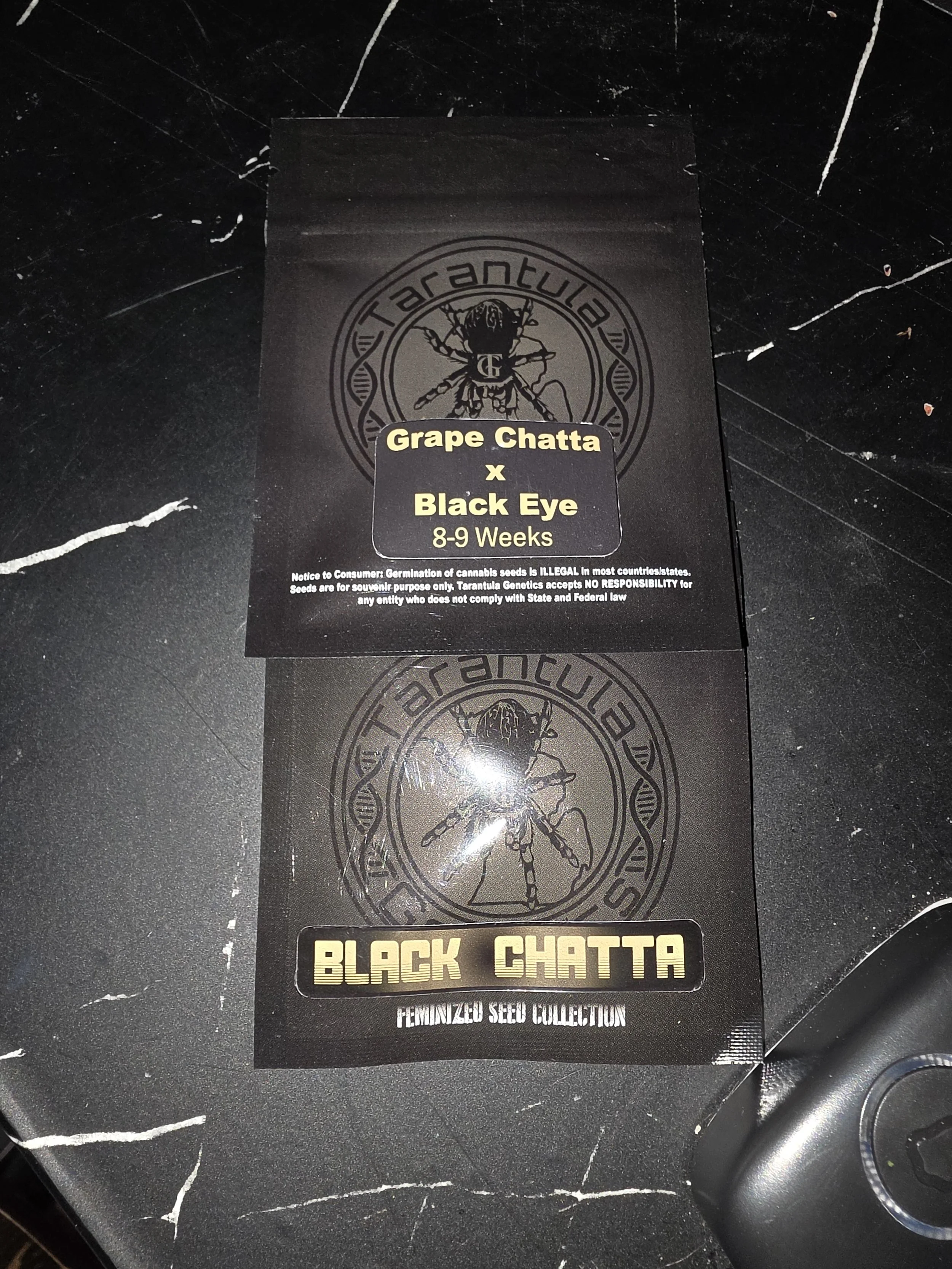
Black Chatta Strain
Black Chatta Strain
Overview Black Chatta is an indica-dominant cannabis strain known for its deep, dark-colored buds and potent relaxing effects. It’s favored by growers and consumers looking for a heavy body high, often used in the evening for stress relief, pain management, and sleep support.
Genetics and Appearance
Lineage: Often reported as a cross between Black Domina and a Chatta (or Chatta-style) phenotype—specific parentage can vary between breeders.
Buds: Dense, chunky colas with dark purple to almost-black hues, often contrasted by rusty orange pistils and a generous coating of trichomes.
Leaves: Broad indica-style leaves, sometimes taking on purple tones in cooler flowering temperatures.
Aroma and Flavor
Aroma: Earthy and woody base with pronounced spicy, peppery notes and subtle skunky undertones. Sweet, berry-like or grape hints may emerge in certain phenotypes.
Flavor: Smooth, with a mix of earthy spice, mild berry sweetness, and a slightly pungent finish.
Effects and Medical Uses
Effects: Strong physical relaxation and body sedation, leading to couch-lock at higher doses. Mental effects are typically mellow and calm, not overly cerebral or anxiety-inducing.
Medical applications: Commonly used by patients for chronic pain, muscle spasms, insomnia, anxiety, and appetite loss. Dosage moderation is advised because of the strain’s potency.
Growing Information
Difficulty: Moderate. Responds well to experienced indoor growers but can be grown outdoors in warm, temperate climates.
Flowering time: Typically 7–9 weeks indoors; outdoor harvest usually in late September to early October in the Northern Hemisphere.
Yield: Medium to high yields with proper feeding and environmental conditions.
Tips: Maintain slightly cooler night temperatures during flowering to encourage darker purple coloration. Support heavy colas with stakes or trellising. Proper humidity control during late flower helps prevent mold on dense buds.
Cannabinoids and Terpenes
THC: Often high—many phenotypes test in the upper ranges. Exact percentages vary by grower and phenotype.
CBD: Generally low.
Common terpenes: Myrcene (sedative, earthy), caryophyllene (spicy, anti-inflammatory), and pinene or limonene in smaller amounts contributing to herbal or citrus hints.
Consumption and Dosage
Recommended for evening or nighttime use due to strong sedative effects.
Start low and go slow—begin with a small dose to assess tolerance, especially for newer consumers or those sensitive to THC.
Storage and Handling
Store in a cool, dark, airtight container to preserve cannabinoids and terpenes.
Avoid excessive handling to protect trichomes; cure properly to enhance flavor and smoothness.
Legal and Safety Notes
Legality varies by jurisdiction. Follow local laws and regulations regarding cultivation, purchase, and use.
Not recommended for pregnant or breastfeeding individuals, or those with certain psychiatric conditions without medical guidance.
If you’d like, we can provide specifics on cultivation schedules (light cycles, nutrient programs), a grow calendar, or recommended terpene-rich companion strains for blending effects.
Black Chatta Strain
Overview Black Chatta is an indica-dominant cannabis strain known for its deep, dark-colored buds and potent relaxing effects. It’s favored by growers and consumers looking for a heavy body high, often used in the evening for stress relief, pain management, and sleep support.
Genetics and Appearance
Lineage: Often reported as a cross between Black Domina and a Chatta (or Chatta-style) phenotype—specific parentage can vary between breeders.
Buds: Dense, chunky colas with dark purple to almost-black hues, often contrasted by rusty orange pistils and a generous coating of trichomes.
Leaves: Broad indica-style leaves, sometimes taking on purple tones in cooler flowering temperatures.
Aroma and Flavor
Aroma: Earthy and woody base with pronounced spicy, peppery notes and subtle skunky undertones. Sweet, berry-like or grape hints may emerge in certain phenotypes.
Flavor: Smooth, with a mix of earthy spice, mild berry sweetness, and a slightly pungent finish.
Effects and Medical Uses
Effects: Strong physical relaxation and body sedation, leading to couch-lock at higher doses. Mental effects are typically mellow and calm, not overly cerebral or anxiety-inducing.
Medical applications: Commonly used by patients for chronic pain, muscle spasms, insomnia, anxiety, and appetite loss. Dosage moderation is advised because of the strain’s potency.
Growing Information
Difficulty: Moderate. Responds well to experienced indoor growers but can be grown outdoors in warm, temperate climates.
Flowering time: Typically 7–9 weeks indoors; outdoor harvest usually in late September to early October in the Northern Hemisphere.
Yield: Medium to high yields with proper feeding and environmental conditions.
Tips: Maintain slightly cooler night temperatures during flowering to encourage darker purple coloration. Support heavy colas with stakes or trellising. Proper humidity control during late flower helps prevent mold on dense buds.
Cannabinoids and Terpenes
THC: Often high—many phenotypes test in the upper ranges. Exact percentages vary by grower and phenotype.
CBD: Generally low.
Common terpenes: Myrcene (sedative, earthy), caryophyllene (spicy, anti-inflammatory), and pinene or limonene in smaller amounts contributing to herbal or citrus hints.
Consumption and Dosage
Recommended for evening or nighttime use due to strong sedative effects.
Start low and go slow—begin with a small dose to assess tolerance, especially for newer consumers or those sensitive to THC.
Storage and Handling
Store in a cool, dark, airtight container to preserve cannabinoids and terpenes.
Avoid excessive handling to protect trichomes; cure properly to enhance flavor and smoothness.
Legal and Safety Notes
Legality varies by jurisdiction. Follow local laws and regulations regarding cultivation, purchase, and use.
Not recommended for pregnant or breastfeeding individuals, or those with certain psychiatric conditions without medical guidance.
If you’d like, we can provide specifics on cultivation schedules (light cycles, nutrient programs), a grow calendar, or recommended terpene-rich companion strains for blending effects.