
 Image 1 of 1
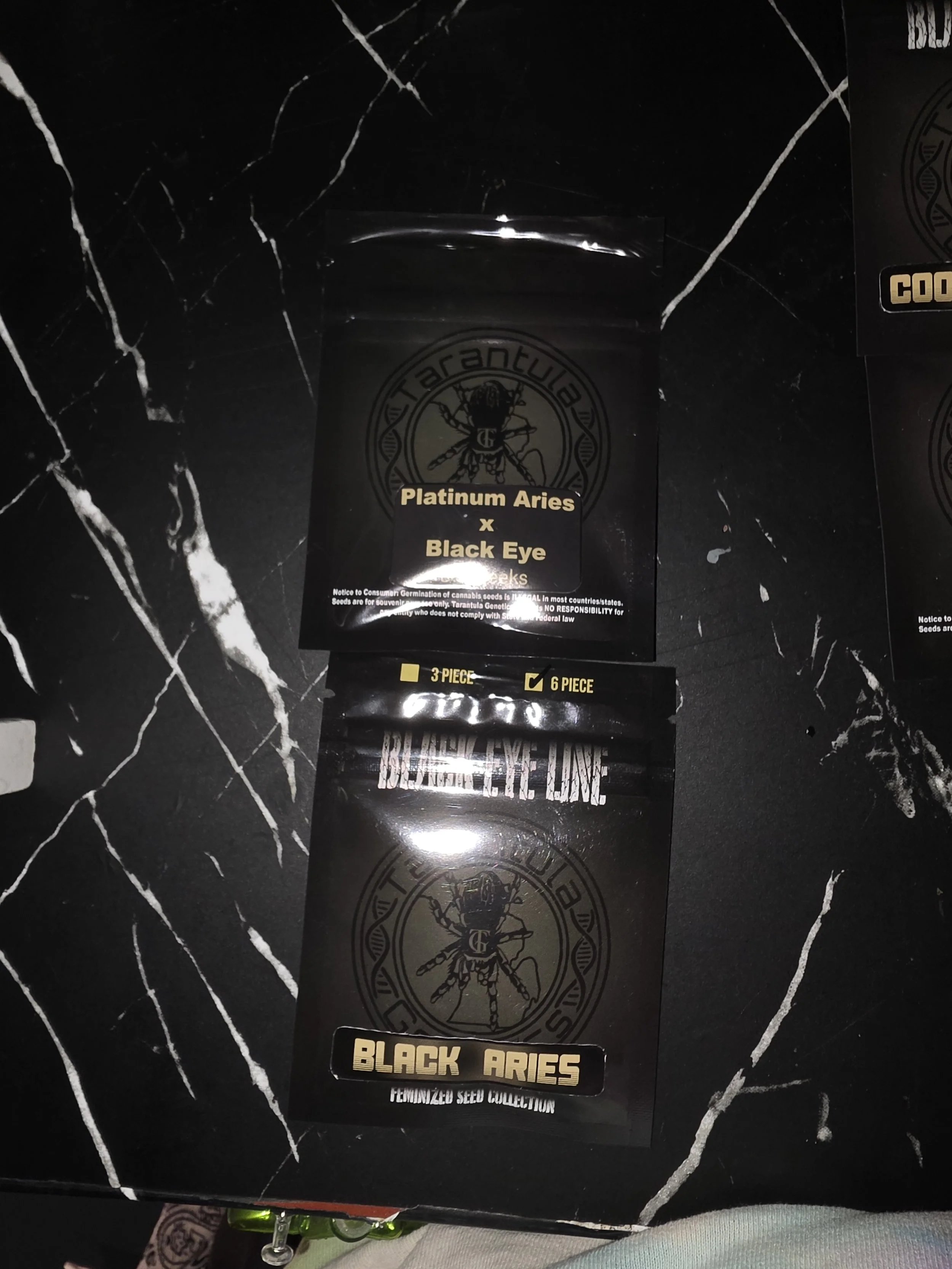
Black Aries strain
Overview Black Aries is an indica-dominant cannabis strain known for its deep, dark coloration and potent, relaxing effects. It typically blends genetics from Kush and Afghani-type parents, producing a dense, resinous bud structure and strong physical sedation. This strain is favored by users seeking relief from pain, insomnia, and stress.
Appearance and Aroma
Buds: Dense, chunky, often very dark green to almost black hues with purple undertones; thick trichome coating gives a frosty appearance.
Leaves: Broad indica-style leaves; may display deep purple or blackish tones in cooler grows.
Aroma: Earthy and pungent base with woody, spicy Kush notes; subtle sweet or berry undertones depending on phenotype and curing.
Flavor
Palate: Earthy and spicy on the inhale, with a smooth, slightly sweet finish. Some phenotypes present muted berry or floral hints.
Smoke: Thick and resinous; tends to be heavy on the exhale with a lingering herbal aftertaste.
Effects
Onset: Moderately fast onset; cerebral lift may be noticeable initially but is typically mild.
Primary effects: Deep body relaxation, heavy physical sedation, couch-lock in higher doses.
Secondary effects: Mood uplift for some users; increased appetite (the “munchies”).
Duration: Long-lasting, especially for physical effects and sleep induction.
Medical Uses
Commonly used for: Chronic pain, muscle spasms, insomnia, anxiety, and stress relief.
Benefits: Strong sedative properties make it suitable for evening or nighttime use; can help with sleep onset and pain reduction.
THC/CBD Profile
Typical THC: Moderate to high (varies by phenotype and grower; often in the mid to high teens or low twenties).
Typical CBD: Low; this strain is not usually CBD-rich.
Cultivation
Climate: Prefers a stable, moderately warm climate; does well indoors where environmental factors can be controlled.
Flowering time: Relatively short for an indica—often around 7–9 weeks.
Yield: Medium to high, depending on grow conditions and training techniques.
Grow tips: Responds well to topping and low-stress training to manage height and improve canopy light penetration; watch humidity during late flowering to prevent mold on dense buds. Cooler night temperatures late in flower can encourage purple/black coloration.
Consumption Tips
Start low and go slow, especially for novice users or those sensitive to indica sedation.
Best used in the evening or when you can rest afterward.
Pairing with a light snack can help manage dry mouth and enhance comfort.
Legality and Safety
Legal status varies by jurisdiction—check local laws before purchasing or cultivating.
Potential side effects: Dry mouth, dry eyes, dizziness, increased appetite, and potential anxiety or paranoia in high doses or sensitive individuals. Not recommended before driving or operating heavy machinery.
If you want, we can provide: specific phenotype comparisons, terpene profiles, recommended consumption methods, or cultivation schedules for indoor vs. outdoor grows.
Black Aries strain
Overview Black Aries is an indica-dominant cannabis strain known for its deep, dark coloration and potent, relaxing effects. It typically blends genetics from Kush and Afghani-type parents, producing a dense, resinous bud structure and strong physical sedation. This strain is favored by users seeking relief from pain, insomnia, and stress.
Appearance and Aroma
Buds: Dense, chunky, often very dark green to almost black hues with purple undertones; thick trichome coating gives a frosty appearance.
Leaves: Broad indica-style leaves; may display deep purple or blackish tones in cooler grows.
Aroma: Earthy and pungent base with woody, spicy Kush notes; subtle sweet or berry undertones depending on phenotype and curing.
Flavor
Palate: Earthy and spicy on the inhale, with a smooth, slightly sweet finish. Some phenotypes present muted berry or floral hints.
Smoke: Thick and resinous; tends to be heavy on the exhale with a lingering herbal aftertaste.
Effects
Onset: Moderately fast onset; cerebral lift may be noticeable initially but is typically mild.
Primary effects: Deep body relaxation, heavy physical sedation, couch-lock in higher doses.
Secondary effects: Mood uplift for some users; increased appetite (the “munchies”).
Duration: Long-lasting, especially for physical effects and sleep induction.
Medical Uses
Commonly used for: Chronic pain, muscle spasms, insomnia, anxiety, and stress relief.
Benefits: Strong sedative properties make it suitable for evening or nighttime use; can help with sleep onset and pain reduction.
THC/CBD Profile
Typical THC: Moderate to high (varies by phenotype and grower; often in the mid to high teens or low twenties).
Typical CBD: Low; this strain is not usually CBD-rich.
Cultivation
Climate: Prefers a stable, moderately warm climate; does well indoors where environmental factors can be controlled.
Flowering time: Relatively short for an indica—often around 7–9 weeks.
Yield: Medium to high, depending on grow conditions and training techniques.
Grow tips: Responds well to topping and low-stress training to manage height and improve canopy light penetration; watch humidity during late flowering to prevent mold on dense buds. Cooler night temperatures late in flower can encourage purple/black coloration.
Consumption Tips
Start low and go slow, especially for novice users or those sensitive to indica sedation.
Best used in the evening or when you can rest afterward.
Pairing with a light snack can help manage dry mouth and enhance comfort.
Legality and Safety
Legal status varies by jurisdiction—check local laws before purchasing or cultivating.
Potential side effects: Dry mouth, dry eyes, dizziness, increased appetite, and potential anxiety or paranoia in high doses or sensitive individuals. Not recommended before driving or operating heavy machinery.
If you want, we can provide: specific phenotype comparisons, terpene profiles, recommended consumption methods, or cultivation schedules for indoor vs. outdoor grows.